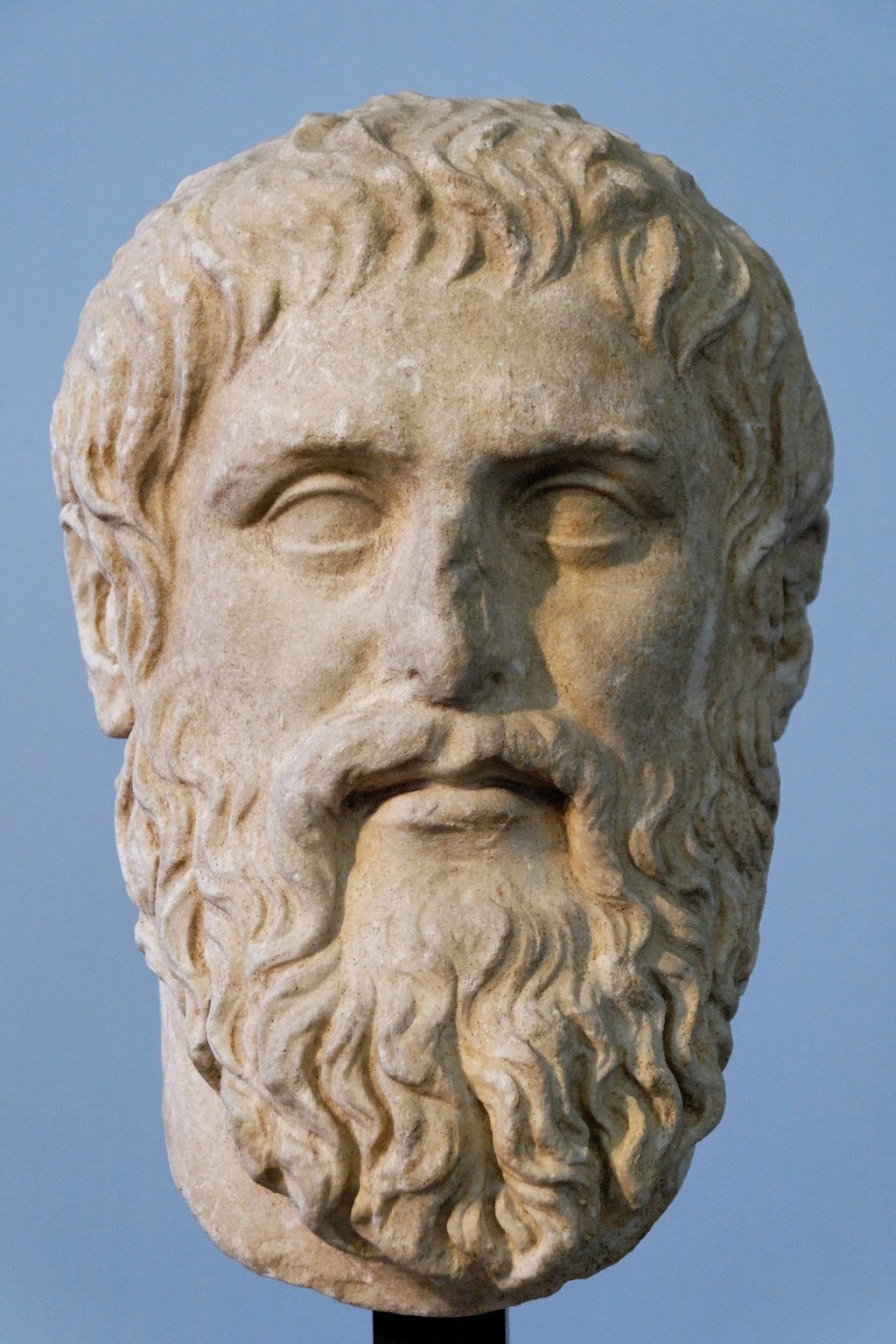
Plato was a philosopher and mathematician who lived in Athens, Greece, from approximately 428/427 BCE to 348/347 BCE. He was one of the most influential thinkers in Western philosophy and is widely considered one of the greatest philosophers of all time.
Plato was born into an aristocratic family and was expected to follow in his father’s footsteps and become a politician. However, he was drawn to philosophy from a young age and became a student of Socrates, a philosopher who challenged conventional beliefs and advocated for the pursuit of wisdom and knowledge.
After Socrates was sentenced to death in 399 BCE, Plato left Athens and traveled extensively throughout the Mediterranean, studying with other philosophers and learning about different cultures. He eventually returned to Athens and founded the Academy, a school for philosophy and science that became one of the most important intellectual centers in the ancient world.
Plato wrote extensively on a wide range of topics, including ethics, politics, metaphysics, and epistemology. His most famous works include the Republic, the Symposium, and the Apology, which chronicles the trial and death of his mentor, Socrates.
Plato’s philosophy is characterized by his belief in the existence of objective, eternal truths that can be discovered through reason and contemplation. He argued that the physical world is imperfect and constantly changing, and that true knowledge can only be obtained through the study of abstract concepts and forms.
Plato died in Athens at the age of 80 or 81, leaving behind a legacy that has had a profound influence on philosophy, science, and Western culture as a whole.



 CelebSpotlights™
Leave a comment